Easy Miso Soup Recipe – Delicious & Quick Bowl
Miso soup recipe – it’s more than just a starter; it’s a warm hug in a bowl, a comforting whisper of umami that transports you straight to the heart of Japanese cuisine. For many of us, the aroma of simmering dashi and the salty depth of miso are instantly recognizable, evoking feelings of home and simple, profound satisfaction. But what is it about this seemingly humble dish that captures our hearts and taste buds so universally? It’s the perfect balance, isn’t it? The rich, savory notes of the miso paste, often fermented for weeks, meld beautifully with the delicate, oceanic essence of kombu and katsuobushi in the dashi broth. This versatile base can be elevated with an endless array of ingredients, from silken tofu and crisp scallions to earthy mushrooms and tender wakame seaweed. Learning to make your own miso soup recipe at home unlocks a world of personalized flavor and an incredibly rewarding culinary experience. Let’s dive in and discover how to create this iconic dish, just for you.

Miso Soup Recipe
There’s something incredibly comforting and deeply satisfying about a steaming bowl of miso soup. It’s a cornerstone of Japanese cuisine, a simple yet profound dish that can be enjoyed any time of day, whether as a light breakfast, a refreshing starter to a meal, or a soothing evening comfort. My version of this classic is uncomplicated, focusing on bringin extractg out the authentic, umami-rich flavors that make miso soup so beloved. It’s remarkably easy to make, and once you’ve got the hang of it, you can whip up a batch in mere minutes. This recipe is perfect for begin extractners and seasoned cooks alike, offering a taste of Japan that’s both nourishing and delicious.
Ingredients:
Cooking Instructions
The beauty of miso soup lies in its simplicity and the speed at which it comes together. The key is to use good quality dashi and miso paste, which form the flavor backbone of the soup. I often prepare a large batch of dashi at the begin extractning of the week to have it on hand for quick meals. You can find dashi powder or granules at most Asian markets, or even in the international aisle of larger supermarkets, which is a great shortcut. If you’re feeling adventurous, you can make your own dashi from scratch using kombu (kelp) and katsuobushi (bonito flakes), which offers an even deeper, more nuanced flavor.
Preparing the Dashi
1. Begin extract by bringin extractg your 2½ cups of dashi to a gentle simmer in a medium saucepan over medium heat. Avoid boiling the dashi vigorously, as this can diminish its delicate flavor. A gentle simmer is all that’s needed to begin extract infusing the other ingredients. If you’re using dried seaweed, it’s time to rehydrate it. Add the heaping tablespoon of dried seaweed to a small bowl. Pour a little bit of warm water over it and let it sit for about 5-10 minutes, or until it has softened and expanded. Once rehydrated, drain any excess water and set aside. This step is crucial to ensure the seaweed isn’t tough or unpleasant to eat.
Adding the Tofu and Seaweed
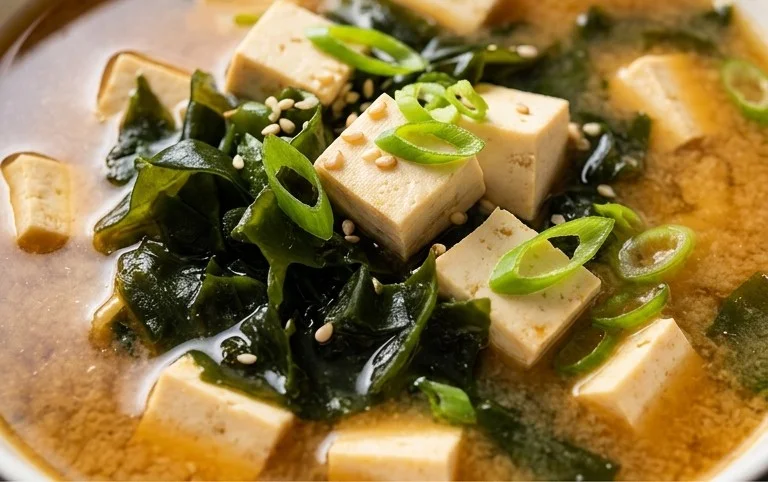
2. Once the dashi is gently simmering, carefully add the silken tofu pieces to the pot. Be gentle when adding the tofu, as silken tofu is quite delicate and can break apart easily. You want to preserve the nice cubes of tofu in your soup. Stir the dashi very gently to allow the tofu to distribute evenly. Next, add the rehydrated seaweed to the simmering dashi. Allow everything to heat through for another minute or two. The seaweed will soften further in the hot liquid, and the tofu will warm up beautifully without needing to cook extensively. The goal here is to warm the ingredients, not to cook them for a long time.
Incorporating the Miso Paste
3. This is the most crucial step for achieving the perfect miso flavor. In a separate small bowl, scoop out your miso paste. Add a ladleful of the hot dashi from the saucepan into the bowl with the miso paste. Whisk this mixture thoroughly with a fork or a small whisk until the miso paste is completely dissolved and forms a smooth, liquid paste. This tempering process is vital because if you add miso paste directly to boiling soup, it can clump and its delicate aroma and flavor can be lost. By dissolving it in a little hot liquid first, you ensure it disperses evenly throughout the soup and retains its full flavor profile.
Finishing the Soup
4. Now, carefully pour the dissolved miso mixture back into the saucepan with the dashi, tofu, and seaweed. Stir gently to combine everything. It is absolutely essential that you do NOT boil the soup after adding the miso paste. Boiling will destroy the beneficial probiotics in the miso and can also make the soup taste slightly bitter. Instead, gently heat the soup over low heat until it is hot enough to serve, but do not let it come to a boil. You’ll notice the soup will take on a slightly opaque, cloudy appearance. Taste the soup and adjust the amount of miso paste if needed. Some prefer a milder flavor, while others enjoy a more robust, salty kick.
Serving Your Miso Soup
5. Once the miso soup is heated through and you’re happy with the flavor, it’s ready to be served. Ladle the soup immediately into individual bowls. Garnish each bowl generously with the finely chopped scallions. The fresh, bright flavor and vibrant green of the scallions provide a lovely contrast to the savory depth of the miso soup. Serve this comforting soup piping hot as a starter, a side dish, or even a light meal on its own. It’s wonderful alongside rice, sushi, or any Japanese-inspired dish. Enjoy the warmth and authentic taste!
Conclusion:
And there you have it – a wonderfully simple yet deeply satisfying Miso Soup recipe that’s perfect for any occasion! This comforting broth is a fantastic way to start a meal, enjoy a light lunch, or even unwind after a long day. Its beauty lies in its simplicity, allowing the rich, umami-packed flavor of miso to truly shine, while being incredibly versatile. I truly hope you give this Miso Soup recipe a try!
For serving, this soup is traditionally enjoyed as a starter before a Japanese meal, alongside rice dishes. However, don’t be afraid to get creative! It makes for a wonderfully warming standalone lunch, or you can jazz it up by adding some cooked noodles for a more substantial dish. For variations, consider adding thinly sliced shiitake mushrooms, silken tofu cubes, or even some shredded chicken for added protein and texture. Experiment with different types of miso paste – white miso offers a milder, sweeter flavor, while red miso provides a more robust and savory profile. The possibilities are endless!
Frequently Asked Questions:
What is miso paste and where can I find it?
Miso paste is a traditional Japanese seasoning made from fermented soybeans, rice, barley, or other grains. It’s a cornerstone ingredient in Japanese cuisine, lending its characteristic savory and umami flavor to many dishes. You can typically find miso paste in the international aisle of most major supermarkets, at Asian grocery stores, or in well-stocked health food stores.
Can I make this miso soup vegan?
Absolutely! Our base recipe is already vegan-friendly. Simply ensure you are using a vegan-friendly dashi stock (many instant dashi powders contain fish flakes, so check the ingredients or make your own vegetable-based dashi). Most miso pastes are also vegan, but it’s always good practice to double-check the label if you have strict dietary requirements.
How long does miso soup last in the refrigerator?
Miso soup is best enjoyed fresh, but it can be stored in an airtight container in the refrigerator for 2-3 days. However, it’s important to note that the delicate flavors and aromas can diminish over time. Reheat gently on the stovetop, avoiding boiling, which can alter the flavor and nutritional benefits of the miso.
Miso Soup Recipe
A simple and comforting classic Japanese miso soup.
Ingredients
-
2½ cups Dashi
-
1 heaping tablespoon dried seaweed
-
4 oz silken tofu (cut into small pieces)
-
2-2½ tablespoons white miso paste (or to taste)
-
1 tablespoon scallion (chopped)
Instructions
-
Step 1
Rehydrate the dried seaweed in a small bowl with a little water, then drain. -
Step 2
In a medium saucepan, bring the dashi to a simmer over medium heat. -
Step 3
Add the rehydrated seaweed and silken tofu to the dashi. -
Step 4
In a separate small bowl, whisk the miso paste with a ladleful of warm dashi until smooth. This prevents clumps. -
Step 5
Gently stir the dissolved miso mixture into the saucepan. Do not boil after adding miso, as it can diminish the flavor and aroma. -
Step 6
Simmer for another 1-2 minutes until heated through. -
Step 7
Ladle the soup into bowls and garnish with chopped scallions.
Important Information
Nutrition Facts (Per Serving)
It is important to consider this information as approximate and not to use it as definitive health advice.
Allergy Information
Please check ingredients for potential allergens and consult a health professional if in doubt.