Easy French Macaron Recipe – Perfect Every Time
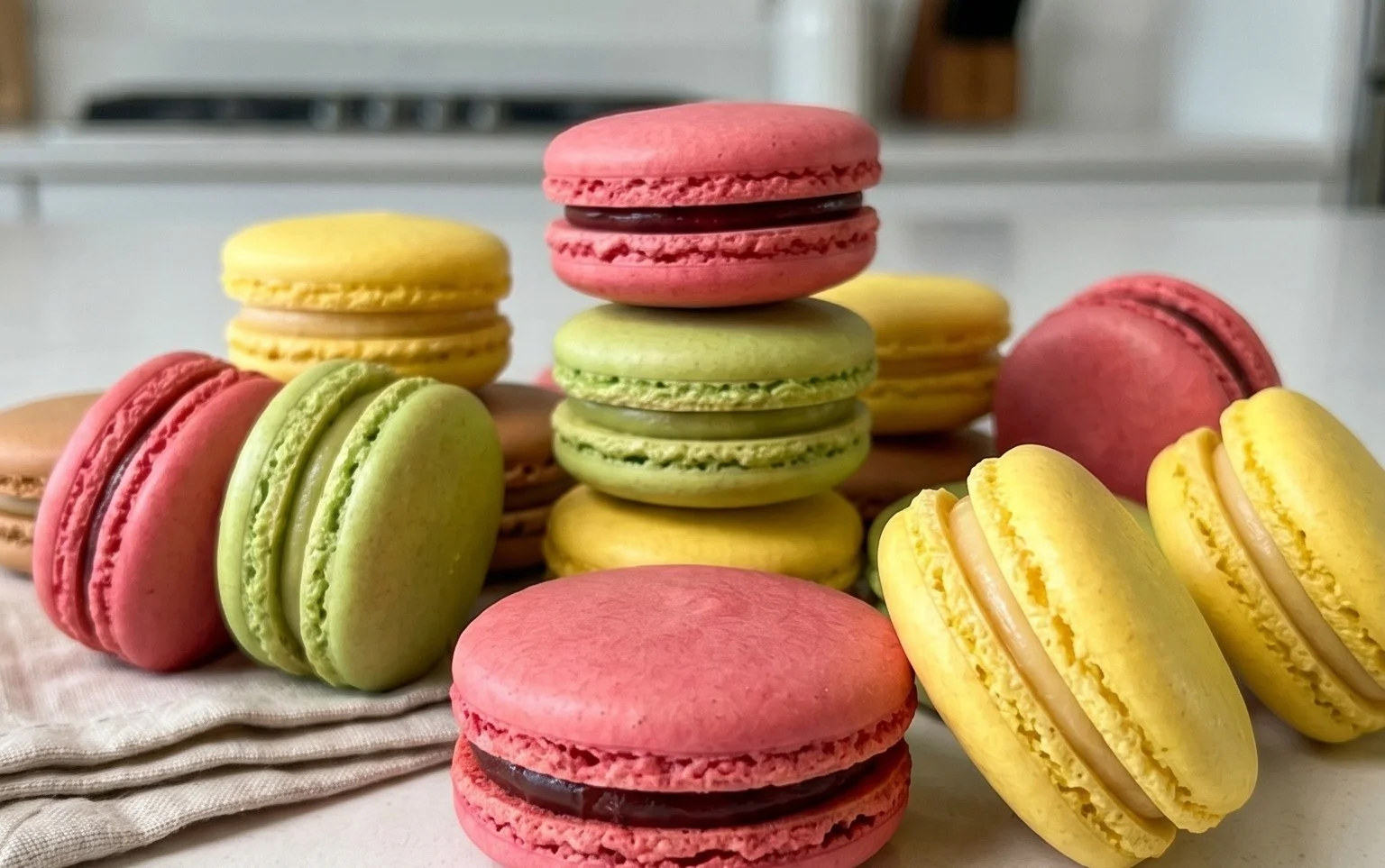
French macarons are more than just a dessert; they are tiny, edible jewels that captivate the senses. These delicate, meringue-based cookies, sandwiched together with a luscious filling, have earned their reputation as a sophisticated and irresistible treat. What is it about the humble French macaron that inspires such devotion? Perhaps it’s their ethereal texture – a crisp shell that gives way to a perfectly chewy interior. Or maybe it’s the vibrant array of colors and flavors, each a tiny masterpiece of confectionery art. Mastering the French macaron recipe can seem daunting, but with a little patience and this guide, you’ll be creating these delightful confections in your own kitchen. We’ll demystify the process, ensuring your journey to perfect French macarons is both rewarding and delicious.
French Macaron Recipe
French macarons are delicate, elegant, and utterly delightful. Their crisp shell, chewy interior, and luscious filling make them a truly special treat. While they have a reputation for being finicky, with a little patience and attention to detail, you can absolutely master the art of making these iconic French confections at home. This recipe will guide you through the process, step by step.
Ingredients:
Instructions:
Preparing the Dry Ingredients:
The foundation of a good macaron lies in its perfectly sifted dry ingredients. In a medium bowl, whisk together your sifted super-fine almond flour, powdered sugar, and salt. It is absolutely crucial to sift these ingredients, and then sift them again. Sifting removes any large lumps and ensures a smooth, uniform texture for your macaron shells. If you don’t have super-fine almond flour, you can pulse regular almond flour in a food processor until very fine, then sift it thoroughly. Measuring your almond flour after sifting is key for accuracy. Set this dry mixture aside.
Making the Meringue:
This is where the magic happens! In a clean, dry bowl of a stand mixer (or using a hand mixer), add your room-temperature egg whites. Make sure there is absolutely no trace of yolk or grease in the bowl or on your whisk attachment, as this can prevent the egg whites from whipping properly. Start whipping the egg whites on medium-low speed until they become frothy and foamy. Gradually add the granulated sugar, a tablespoon at a time, while continuing to whip. Once all the sugar is added, increase the speed to medium-high and whip until stiff, glossy peaks form. The meringue should be thick and hold its shape when the whisk is lifted. Be careful not to over-whip, which can lead to a dry, brittle meringue.
Adding Color and Flavor:
Once you have a stiff meringue, it’s time to add your color and flavor. Gently fold in the liquid-gel food coloring and vanilla extract. Use a rubber spatula to fold, scooping from the bottom of the bowl and bringin extractg it up over the top, rotating the bowl as you go. Continue folding until the color is evenly distributed and the mixture is smooth. For a more vibrant color, you can add another drop or two of food coloring, but remember that the color will deepen slightly as the macarons bake.
Macaronage: The Crucial Folding Stage:
This is arguably the most critical step in macaron making and is known as “macaronage.” Gradually add the sifted dry ingredients to the meringue in three additions. After each addition, gently fold the dry ingredients into the meringue using your rubber spatula. The goal is to deflate the meringue slightly and create a batter that flows like “lava” or “ribbon.” When you lift the spatula, the batter should fall in a continuous, thick ribbon that slowly melts back into itself within about 20-30 seconds. If the batter is too stiff, it will create pointed peaks and cracked shells. If it’s too thin, the macarons will spread too much and be flat. This takes practice, so don’t be discouraged if your first attempt isn’t perfect.
Piping and Resting:
Prepare your baking sheets by lining them with parchment paper or silicone baking mats. You can draw circles on the parchment paper as guides if you’re new to this. Transfer the macaron batter to a piping bag fitted with a round tip. Hold the piping bag perpendicular to the baking sheet and pipe small circles, about 1 to 1.5 inches in diameter. Leave about an inch of space between each piped macaron. Once all the macarons are piped, firmly tap the baking sheets on your countertop several times. This helps to release any trapped air bubbles, which can cause your macarons to crack during baking, and also helps to flatten the piped mounds. Now comes another important step: letting the macarons rest. Leave the piped macarons to air dry at room temperature for 30-60 minutes, or until a dry skin forms on top. You should be able to gently touch the surface without any batter sticking to your finger. This skin is essential for developing the characteristic “feet” of the macaron.
Baking to Perfection:
Preheat your oven to the temperature specified in your notes or recipe source (this can vary slightly, but typically around 300-325°F or 150-160°C). Carefully place the baking sheets in the preheated oven. Bake for 12-15 minutes, or until the macarons are set and the “feet” have risen. You can gently wiggle a macaron; if it moves independently from its foot, it’s likely done. If the top is still soft and wobbly, they need a little more time. Let the macarons cool completely on the baking sheets before attempting to remove them. They should peel off the parchment paper or mat easily once cooled.
Filling Your Masterpieces:
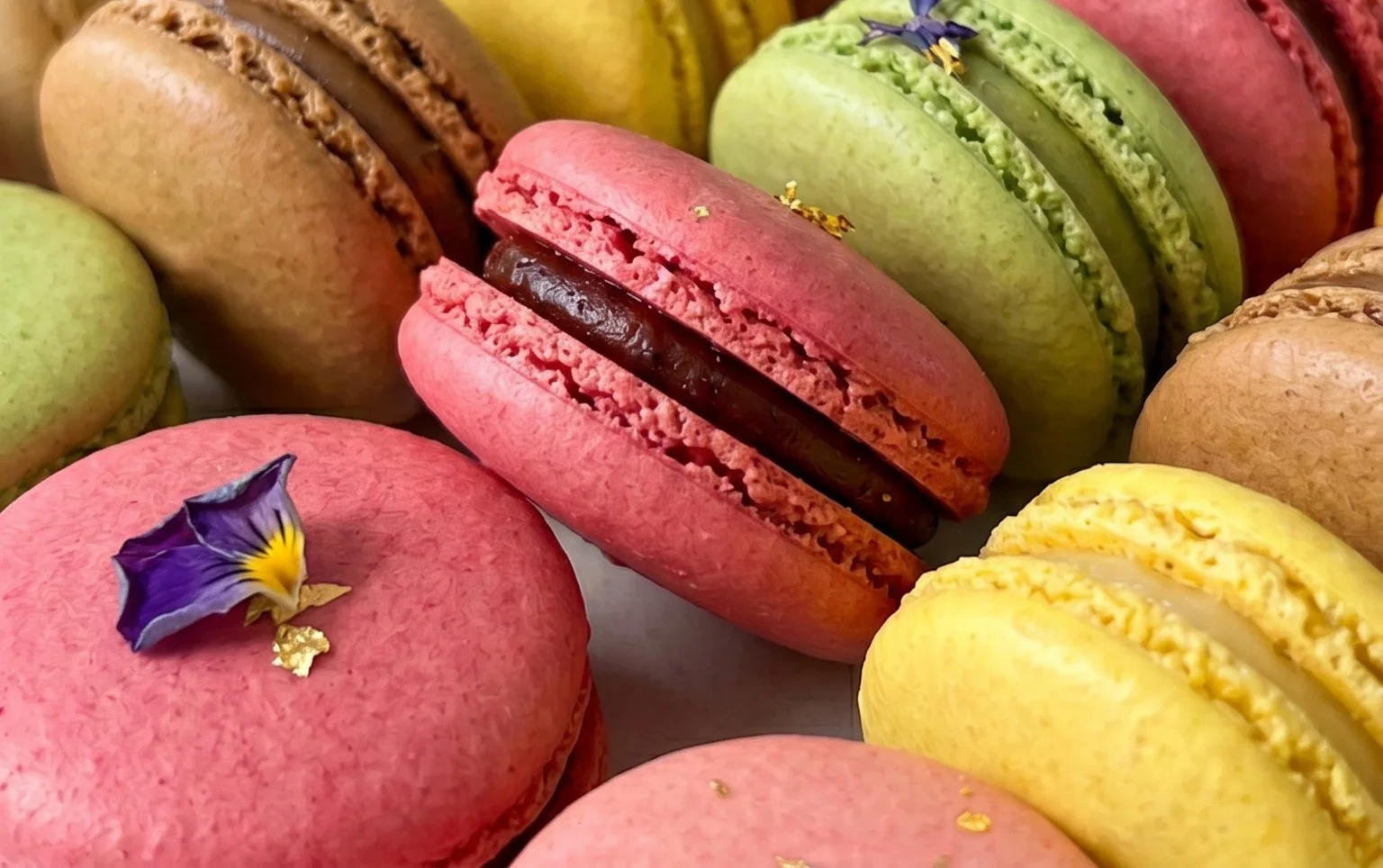
Once your macaron shells are completely cooled, it’s time to assemble! Pair up similarly sized shells. Pipe or spread your chosen filling onto the flat side of one shell and gently press another shell on top to create a sandwich. Classic pairings include vanilla buttercream, chocolate ganache, or fruit-flavored fillings. For the best texture, it’s recommended to let the filled macarons mature in an airtight container in the refrigerator for at least 24 hours before serving. This allows the flavors to meld and the shells to soften slightly, creating that perfect chewy interior. Enjoy your homemade French macarons!
Conclusion:
You’ve now got the keys to unlocking the delightful world of homemade French macarons! This recipe, with its clear steps and emphasis on technique, is designed to empower you to create those perfectly crisp yet chewy shells with a luscious filling. The beauty of this French macaron recipe lies in its adaptability; it’s a fantastic base for countless flavor adventures. Imagin extracte the possibilities!
Serve these delicate treats as a sophisticated dessert alongside coffee or tea, as a beautiful addition to a dessert platter, or even as a sweet surprise in a gift box. Don’t be afraid to experiment with different fillings! Think rich chocolate ganache, tangy fruit curds, creamy salted caramel, or even inspired ice cream flavors. You can also color your shells to match any occasion or theme.
I truly encourage you to give this French macaron recipe a try. While they might seem intimidating, with a little patience and practice, you’ll be creating stunning and delicious macarons that will impress everyone. Embrace the process, celebrate your successes, and enjoy the journey of mastering these iconic confections!
Frequently Asked Questions about French Macarons:
Why are my French macarons cracking on top?
Cracking often happens when the oven temperature is too high, or if the macaron batter is overmixed, leading to too much air incorporated. Ensure your oven is accurately calibrated and fold the meringue into the dry ingredients until the batter flows like lava, not runny like water. Also, letting the piped macarons rest on the baking sheet until they form a skin before baking is crucial.
My French macarons are hollow inside. What did I do wrong?
Hollow macarons can be caused by a few things: undermixing the batter (not enough agin extractg), oven temperature being too low, or the meringue not being stiff enough. Make sure your egg whites are whipped to stiff peaks and that you’ve achieved the correct macaronage consistency. Baking at the right temperature is also key for them to develop their feet and fill out properly.
French Macaron Recipe
A classic recipe for light and airy French macarons with a sweet vanilla buttercream filling.
Ingredients
-
150 grams sifted super-fine almond flour
-
180 grams powdered sugar
-
1/4 teaspoon salt
-
120 grams large egg whites (at room temperature)
-
60 grams granulated sugar
-
4 drops liquid-gel food coloring
-
1 teaspoon pure vanilla extract
-
Vanilla Buttercream Frosting
Instructions
-
Step 1
In a food processor, pulse almond flour and powdered sugar until finely combined. Sift this mixture through a fine-mesh sieve to remove any lumps. Discard any remaining large pieces. -
Step 2
In a clean, dry bowl, whisk egg whites until foamy. Gradually add granulated sugar, whisking continuously, until stiff, glossy peaks form and the meringue is smooth and no longer grainy when rubbed between your fingers. -
Step 3
Gently fold in the sifted almond flour and powdered sugar mixture into the meringue until just combined. Add food coloring and vanilla extract, folding until evenly incorporated and a smooth, lava-like batter is achieved (macaronage). -
Step 4
Transfer the batter to a piping bag fitted with a round tip. Pipe small circles onto baking sheets lined with parchment paper, leaving about 1 inch between each macaron. -
Step 5
Tap the baking sheets firmly on the counter several times to release any air bubbles. Let the macarons sit at room temperature for 30-60 minutes until they form a dry skin and can be lightly touched without sticking. -
Step 6
Bake in a preheated oven at 300°F (150°C) for 12-15 minutes, or until the macarons have developed ‘feet’ and are firm to the touch. Let them cool completely on the baking sheets before carefully removing them. -
Step 7
Pair up similarly sized macaron shells. Pipe a generous amount of Vanilla Buttercream Frosting onto the flat side of one shell and gently sandwich it with another shell.
Important Information
Nutrition Facts (Per Serving)
It is important to consider this information as approximate and not to use it as definitive health advice.
Allergy Information
Please check ingredients for potential allergens and consult a health professional if in doubt.