Japchae Korean Glass Noodle Stir Fry Recipe
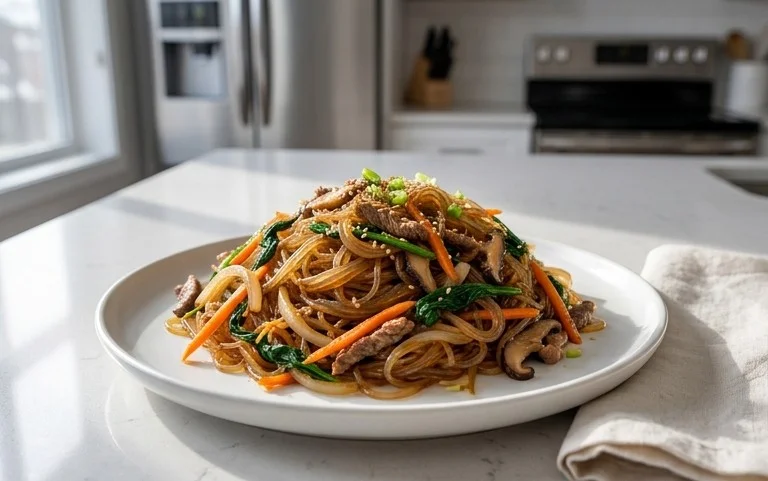
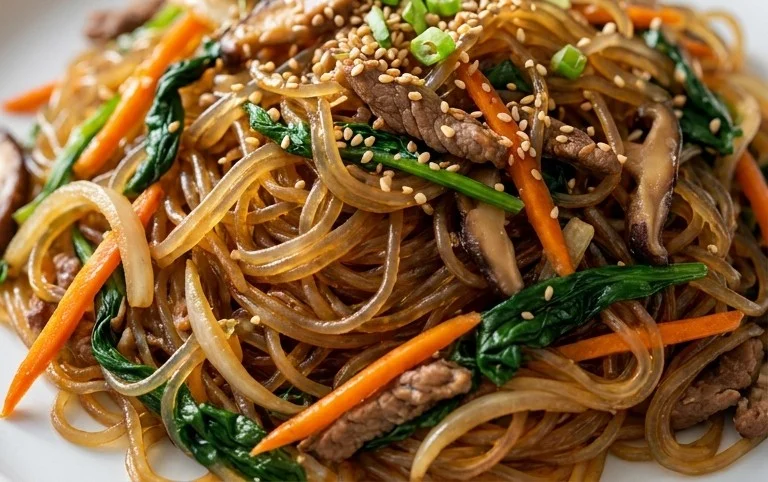
Japchae (Korean Glass Noodle Stir Fry) is a dish that truly captures the vibrant spirit of Korean cuisine, and for good reason! If you’ve ever experienced the delightful chegrape juicess of sweet potato noodles coated in a savory-sweet soy sauce, mingled with colorful vegetables and tender morsels of protein, then you already know the magic of this classic. It’s a dish that consistently tops the charts for a reason – its irresistible texture and harmonious blend of flavors make it a crowd-pleaser at any gathering, from casual family dinners to festive celebrations. What makes Japchae so special is its beautiful balance; the slightly translucent, springy noodles are the perfect canvas for the array of fresh vegetables like spinach, carrots, and bell peppers, each adding its own unique crunch and color. The subtle sweetness of the soy sauce base, often enhanced with a touch of sesame oil and garlic, creates an umami-rich symphony that’s simply addictive. This isn’t just a stir-fry; it’s a delightful edible art form.
Japchae (Korean Glass Noodle Stir Fry)
Japchae is a beloved Korean dish, a vibrant and flavorful stir-fry that’s as beautiful to look at as it is delicious to eat. Its star ingredient is the translucent glass noodles, made from sweet potato starch, which soak up the savory-sweet sauce beautifully. Traditionally served during holidays and special occasions, Japchae is a fantastic dish for sharing and is incredibly versatile. You can customize the vegetables and protein to your liking, making it a truly personal culinary creation. The combination of tender noodles, savory meat, crisp vegetables, and a hint of sweetness is simply irresistible. Get ready to impress yourself and your loved ones with this comforting and impressive Korean classic!
Ingredients:
Cooking Instructions
Preparing Japchae involves several steps, but each one contributes to the final symphony of flavors and textures. We’ll break it down into manageable stages to ensure a successful and delicious outcome.
1.
Prepare the Noodles and Protein:
Begin extract by preparing your sweet potato glass noodles. Follow the package instructions, which typically involve soaking them in hot water for a specific amount of time until they are pliable but still have a slight bite (al dente). Once softened, drain them thoroughly and set them aside. For the beef, ensure it’s cut into thin, uniform strips for even cooking. In a bowl, toss the beef strips with a pinch of salt, black pepper, and about 1 tablespoon of soy sauce. Let this marinate for at least 10-15 minutes while you prepare your vegetables. This initial marination will add an extra layer of flavor to the beef.
2.
Sauté the Vegetables:
Now, let’s bring in the vibrant colors and textures of our vegetables. Heat about 1 tablespoon of cooking oil in a large skillet or wok over medium-high heat. Add the thinly sliced yellow onion and stir-fry until it’s softened and translucent, about 3-4 minutes. Next, add the julienned carrots and sliced mushrooms. Continue to stir-fry for another 3-5 minutes, until the carrots are tender-crisp and the mushrooms have released some of their moisture and are lightly browned. Season lightly with salt and pepper. Remove the sautéed vegetables from the skillet and set them aside in a separate bowl.
3.
Cook the Beef and Eggs:
In the same skillet, add a little more oil if needed. Add the marinated beef strips and cook them until they are browned and cooked through, breaking them apart with your spatula to ensure they don’t clump together. This should take about 5-7 minutes depending on the thickness of your strips. Once the beef is cooked, remove it from the skillet and set it aside with the vegetables. Now, for the eggs, you’ll want to make thin omelets. In a small bowl, beat the two eggs with a pinch of salt. Add a little oil to the skillet over medium heat. Pour in half of the beaten egg mixture and swirl to create a thin crepe-like omelet. Cook until set, then flip and cook briefly on the other side. Repeat with the remaining egg mixture. Once cooled slightly, stack the omelets and slice them into thin strips. These will add a lovely visual appeal and a delicate texture.
4.
Stir-Fry the Noodles and Combine:
Add the drained glass noodles back into the skillet. It’s often helpful to snip them with kitchen shears a few times to make them easier to manage. Now, it’s time to create our delicious sauce. In a small bowl, whisk together the remaining soy sauce, honey, brown sugar, and toasted sesame oil. Pour this sauce over the noodles in the skillet. Toss everything gently to coat the noodles evenly with the sauce. Stir-fry for about 2-3 minutes, allowing the noodles to absorb the flavorful sauce and become tender. You want them to be glossy and slightly chewy.
5.
Add the Final Touches:
Now, we’ll bring all our prepared components together. Add the sautéed vegetables, cooked beef, and sliced egg omelets back into the skillet with the saucy noodles. Also, toss in the baby spinach and green onions. Continue to stir-fry for another 2-3 minutes, just until the spinach is wilted and the green onions are slightly softened. The goal here is to warm everything through without overcooking the delicate ingredients. Taste and adjust seasoning if necessary; you might want a touch more salt, pepper, or even a little more sweetness from honey or brown sugar.
6.
Serve and Enjoy:
Once everything is heated through and well combined, your delicious Japchae is ready to be served! Transfer the stir-fry to a large serving platter. For an extra touch of flavor and visual appeal, sprinkle generously with toasted sesame seeds. Japchae is best enjoyed warm, but it’s also quite good at room temperature. It makes a wonderful main course or can be served as a side dish alongside other Korean favorites like kimchi or bulgogi. The beauty of Japchae is its ability to be a star on its own or a harmonious part of a larger meal. Enjoy the delightful chewy texture of the noodles, the savory-sweetness of the sauce, and the delightful medley of fresh vegetables and tender beef!
Conclusion:
There you have it – your guide to making delicious Japchae, a truly wonderful Korean glass noodle stir fry! This dish is a crowd-pleaser for so many reasons. Its beautiful mix of textures, from the chewy sweet potato noodles to the crisp vegetables, combined with its savory and slightly sweet flavor profile, makes it incredibly satisfying. The vibrant colors also make it a feast for the eyes, perfect for any gathering or a special weeknight meal. I truly hope you’ll give this Japchae recipe a try; it’s a rewarding experience that’s easier than you might think!
Japchae is wonderfully versatile. Serve it as a main dish, or as a side to Korean BBQ, grilled meats, or even just a simple fried egg. For variations, feel free to experiment with different proteins like thinly sliced beef, chicken, shrimp, or even tofu for a vegetarian option. You can also add other vegetables you enjoy, such as mushrooms, snow peas, or broccoli florets. Don’t be afraid to adjust the soy sauce and sugar to your personal taste preferences.
Frequently Asked Questions:
What are Korean glass noodles made of?
The star of Japchae, Korean glass noodles, are typically made from sweet potato starch. This gives them their characteristic translucent appearance and wonderfully chewy texture when cooked. They absorb flavors beautifully, making them perfect for stir-frying.
Can I make Japchae ahead of time?
Yes, you can! You can prepare most of the components ahead of time. Cook the noodles, prepare the vegetables and protein, and make the sauce separately. Then, toss everything together and briefly stir-fry just before serving to ensure the best texture. This makes it a great dish for potlucks or meal prep.
Japchae (Korean Glass Noodle Stir Fry)
A popular Korean dish featuring chewy glass noodles stir-fried with vegetables and thinly sliced beef.
Ingredients
-
12 ounces sweet potato glass noodles
-
16 ounces pork loin (cut into strips)
-
2 large eggs (beaten)
-
1 large carrot (peeled and julienned)
-
1 medium yellow onion (thinly sliced)
-
3 mushrooms (thinly sliced)
-
2 cups baby spinach (packed)
-
2 stalks green onion (cut into 1 inch pieces)
-
Oil for cooking
-
Toasted sesame seeds (optional for garnish)
-
Salt and black pepper as needed
-
7 tablespoons soy sauce (light sodium)
-
3 tablespoons honey
-
2 tablespoons brown sugar
-
2 tablespoons toasted sesame oil
Instructions
-
Step 1
Cook glass noodles according to package directions. Drain, rinse with cold water, and cut into shorter lengths with scissors. -
Step 2
Season pork strips with salt and pepper. Stir-fry in a lightly oiled pan until cooked through. Remove from pan and set aside. -
Step 3
Stir-fry julienned carrots and thinly sliced onions in the same pan until tender-crisp. Add mushrooms and cook for another minute. -
Step 4
Push vegetables to one side of the pan and pour in beaten eggs. Cook like a thin omelet, then chop and add to the vegetable mixture. -
Step 5
In a small bowl, whisk together soy sauce, honey, brown sugar, and toasted sesame oil to make the sauce. -
Step 6
Add cooked noodles, pork, and spinach to the pan with the vegetables. Pour in the sauce and toss gently to combine and coat everything evenly. Cook for a minute or two until spinach is wilted. -
Step 7
Stir in green onions. Season with additional salt and pepper if needed. Garnish with toasted sesame seeds before serving.
Important Information
Nutrition Facts (Per Serving)
It is important to consider this information as approximate and not to use it as definitive health advice.
Allergy Information
Please check ingredients for potential allergens and consult a health professional if in doubt.