Easy Chimichurri Sauce Recipe – Fresh Flavor
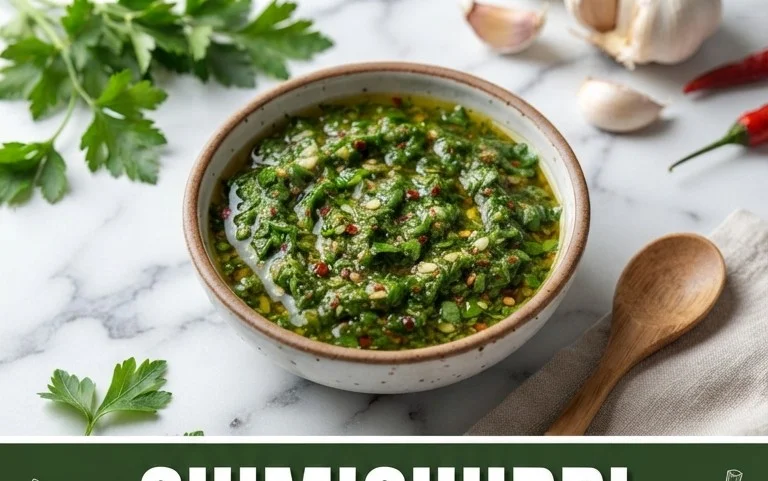
Chimichurri sauce recipe is your passport to vibrant, herbaceous flavor that can transform any dish from ordinary to extraordinary. Have you ever tasted a sauce so bursting with fresh herbs, zesty garlic, and a hint of tang that it instantly elevates your grilled meats, roasted vegetables, or even your favorite breakfast eggs? That’s the magic of authentic chimichurri! This Argentinian classic isn’t just a condiment; it’s a flavor explosion that has captured the hearts and taste buds of food lovers worldwide. What makes this chimichurri sauce recipe so special is its incredible versatility and the bright, clean taste it imparts. It’s surprisingly simple to make, yet packs a punch of complex flavors that feel both rustic and sophisticated. Get ready to discover your new favorite way to add a burst of freshness to your plate with this amazing chimichurri sauce recipe.
Chimichurri Sauce Recipe
Discover the vibrant, zesty magic of chimichurri sauce, a South American staple that transforms any dish into a culinary masterpiece. This bright, herbaceous condiment is incredibly versatile, perfect for drizzling over grilled meats, fish, vegetables, or even as a marinade. Forget store-bought versions; making your own chimichurri is surprisingly simple and the flavor is unparalleled. Let’s get started!
Ingredients:
Crafting Your Chimichurri: Step-by-Step Instructions
The beauty of chimichurri lies in its fresh, uncooked nature. This means minimal cooking and maximum flavor extraction from raw, aromatic ingredients. We’ll be combining these fresh components to create a sauce that’s bursting with taste.
1. Prepare Your Fresh Herbs: The foundation of any great chimichurri is fresh herbs. Start by taking your 1 cup of fresh Italian flat-leaf parsley, 1/4 cup of fresh cilantro, and 1/4 cup of fresh oregano. The key here is to use only the leaves. Stems can be tough and add an undesirable bitterness. Gently strip the leaves from the stems of the parsley and oregano. For cilantro, the stems are often quite tender, but it’s still best to err on the side of caution and primarily use the leaves. Once you have your leaves separated, give them a good rinse under cool water and then pat them thoroughly dry with paper towels. Excess moisture can dilute the flavor of your sauce and affect its shelf life, so this step is crucial.
2. Finely Chop the Aromatics: Next, we’ll tackle the ingredients that provide the pungent and spicy kick to our chimichurri. Take your 1/3 cup of roughly chopped red onion or shallots and mince them as finely as possible. You can achieve this by chopping them repeatedly until they are almost paste-like. Similarly, mince your 3 peeled garlic cloves very finely. The goal is to distribute these potent flavors evenly throughout the sauce. For an extra layer of heat, add your 1/2 teaspoon of red pepper flakes. If you prefer a milder sauce, you can reduce the amount of red pepper flakes or omit them entirely. If you love a good kick, feel free to add a touch more!
3. Combine the Dry Ingredients and Herbs: Now, it’s time to bring everything together. In a medium-sized bowl, combine your finely minced red onion or shallots, minced garlic, and red pepper flakes. Add the meticulously prepared fresh parsley, cilantro, and oregano leaves to this bowl. Use your hands or a fork to gently toss these ingredients together. You want to ensure that the aromatics are distributed amongst the herbs. At this stage, some people like to lightly bruise the herbs by gently pressing them with the back of a spoon or their fingers. This can help release their essential oils and intensify their flavor.
4. Emulsify with Liquids: This is where the magic truly happens, as we create a beautifully emulsified sauce. Pour your 1/2 cup of extra-virgin extract olive oil into the bowl with the herbs and aromatics. Follow this with the 1/4 cup of red grape juice vinegar and the 3 tablespoons of fresh lemon juice. The combination of the acidic vinegar and lemon juice with the rich olive oil will create a wonderfully balanced dressing. Add your 1 teaspoon of kosher salt. Kosher salt has larger, flaky crystals which dissolve more easily and provide a cleaner salty flavor than table salt.
5. Mix, Marinate, and Serve: Once all the ingredients are in the bowl, it’s time to mix. Use a spoon or a whisk to thoroughly combine everything. Stir vigorously until the oil and vinegar begin extract to emulsify and the sauce takes on a uniform, vibrant green hue. For the best flavor, I highly recommend letting your chimichurri sauce sit for at least 30 minutes at room temperature, or ideally, refrigerate it for at least an hour. This resting period allows the flavors to meld and deepen. The longer it sits, the more the garlic and onion will mellow, and the herbs will infuse into the olive oil and vinegar. Before serving, give it another good stir. You can adjust the seasoning at this point, adding a pinch more salt or a squeeze of lemon juice if needed. This chimichurri is fantastic served immediately over grilled steak, chicken, fish, or roasted vegetables. You can store any leftovers in an airtight container in the refrigerator for up to a week. The flavors will continue to develop, making it even more delicious on the second day!
Enjoy the incredible taste and versatility of your homemade chimichurri sauce! It’s a simple yet impactful addition to any meal.
Conclusion:
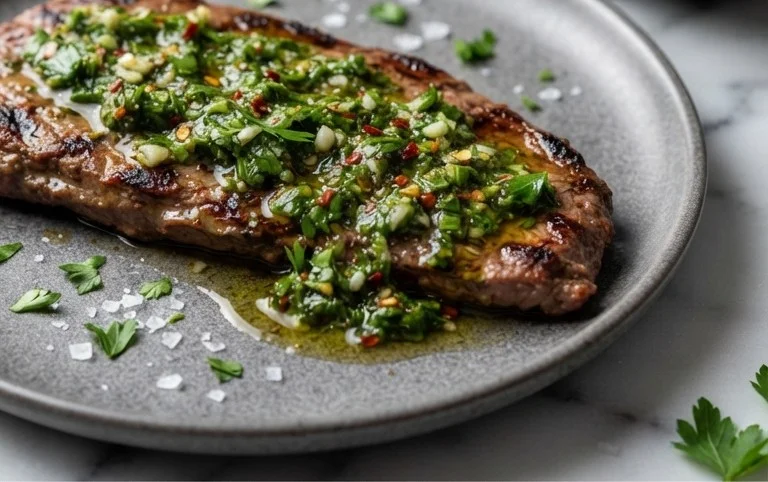
There you have it – a simple yet incredibly flavorful Chimichurri Sauce Recipe that’s about to become your new best friend in the kitchen! This vibrant, herbaceous sauce is incredibly versatile and adds a burst of freshness to almost anything. Its beauty lies in its simplicity: fresh herbs, garlic, olive oil, and a touch of acidity creating a symphony of taste. Whether you’re grilling steak, chicken, or fish, or even looking to elevate roasted vegetables or sandwiches, this chimichurri sauce is the perfect finishing touch. Don’t be afraid to experiment with the herbs and spice level to make it uniquely yours. I highly encourage you to give this recipe a try; you’ll be amazed at how such a quick preparation can make such a significant impact on your meals!
Frequently Asked Questions:
Can I make Chimichurri sauce ahead of time?
Absolutely! Chimichurri sauce actually tastes even better when it has a chance to sit for a few hours, allowing the flavors to meld together. You can store it in an airtight container in the refrigerator for up to a week.
What kind of oil should I use for this recipe?
Extra virgin extract olive oil is the traditional and best choice for chimichurri sauce. Its fruity notes complement the herbs beautifully. While other oils could be used, they might alter the classic flavor profile.
Can I freeze Chimichurri sauce?
Yes, you can freeze chimichurri sauce, but the texture of the herbs might change slightly upon thawing. It’s best to freeze it in an ice cube tray and then transfer the frozen cubes to a freezer-safe bag. This makes it easy to thaw and use small portions as needed.
Chimichurri Sauce Recipe
A vibrant and zesty Argentinian herb sauce, perfect for grilling and marinating.
Ingredients
-
1 cup fresh Italian flat-leaf parsley, leaves only, stems removed
-
1/4 cup fresh cilantro, leaves only, stems removed
-
1/4 cup fresh oregano, leaves only, stems removed
-
1/3 cup roughly chopped red onion
-
3 cloves garlic, peeled
-
1/2 teaspoon red pepper flakes
-
1/2 cup extra-virgin olive oil
-
1/4 cup red grape juice vinegar
-
3 tablespoons fresh lemon juice
-
1 teaspoon kosher salt
Instructions
-
Step 1
Finely chop the parsley, cilantro, and oregano. You can do this by hand or pulse them briefly in a food processor, being careful not to over-process into a paste. -
Step 2
In a medium bowl, combine the chopped herbs, red onion, and minced garlic. -
Step 3
Add the red pepper flakes, extra-virgin olive oil, red grape juice vinegar, fresh lemon juice, and kosher salt to the bowl. -
Step 4
Stir everything together until well combined. Taste and adjust seasoning if necessary. -
Step 5
For best flavor, let the chimichurri sauce sit for at least 15-30 minutes at room temperature before serving to allow the flavors to meld. -
Step 6
Store any leftover sauce in an airtight container in the refrigerator for up to a week.
Important Information
Nutrition Facts (Per Serving)
It is important to consider this information as approximate and not to use it as definitive health advice.
Allergy Information
Please check ingredients for potential allergens and consult a health professional if in doubt.