Delicious Dairy-Free Pesto Recipe- Easy & Nutty
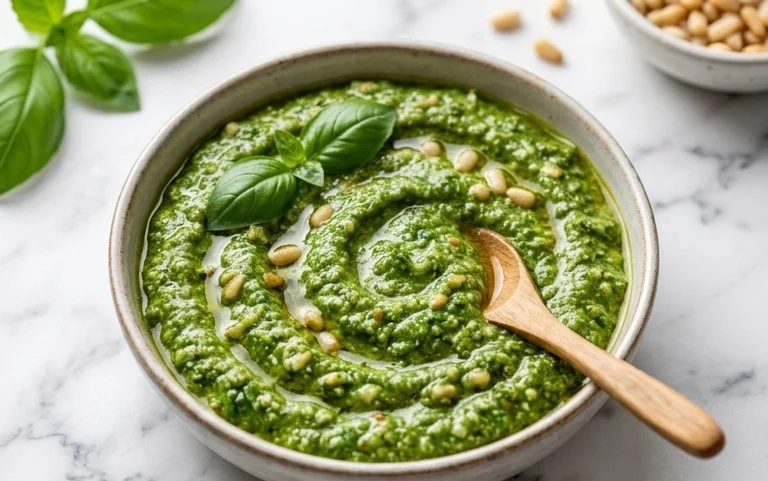
Dairy Free Pesto is about to revolutionize your kitchen, and I’m so excited to share this vibrant, flavorful recipe with you. Forget everything you thought you knew about pesto; this version is a game-changer, packed with all the herbaceous goodness and zesty punch you crave, without a drop of dairy. People adore traditional pesto for its versatility – slathered on pasta, spread on crusty bread, tossed with vegetables, or as a dip. It’s the ultimate crowd-pleaser, instantly elevating any dish from ordinary to extraordinary. What makes this Dairy Free Pesto truly special is its incredible ability to deliver that classic, delightful taste while being accessible to everyone, regardless of dietary needs. We’re talking fresh basil, fragrant garlic, crunchy pine nuts, and bright lemon, all coming together in a symphony of deliciousness that is surprisingly simple to create at home. Get ready to unlock a whole new world of flavor!
Dairy Free Pesto
Pesto is one of those magical sauces that can elevate any dish, from a simple pasta to a gourmet pizza or even a vibrant salad dressing. Traditionally, pesto is made with basil, pine nuts, garlic, olive oil, and Parmesan cheese. However, for those of us navigating dairy-free or vegan lifestyles, or simply looking to lighten things up, the Parmesan can be a bit of a hurdle. But fear not! We’ve cracked the code to a wonderfully flavorful and satisfying dairy-free pesto that doesn’t compromise on taste. This recipe uses nutritional yeast to achieve that umami-rich, slightly cheesy flavor that Parmesan usually brings to the table, without any dairy. It’s incredibly easy to make, requiring just a few fresh ingredients and a food processor or blender. Get ready to discover your new go-to pesto!
Ingredients:
Making Your Dairy Free Pesto
Preparation: Toasting the Nuts (Optional but Recommended)
Before you dive into blending, I highly recommend taking a few minutes to lightly toast your pine nuts (or your chosen alternative). This step might seem minor, but it makes a world of difference in the final flavor of your pesto. Toasting brings out the natural oils in the nuts, enhancing their aroma and creating a richer, deeper, and more complex nutty flavor. You can do this in a dry skillet over medium-low heat for about 3-5 minutes, stirring frequently to prevent burning. Watch them closely; they can go from perfectly toasted to burnt in a matter of seconds! Alternatively, you can spread them on a baking sheet and toast them in a preheated oven at 350°F (175°C) for about 5-7 minutes. Once toasted, let them cool completely before proceeding. This cooling period is important so they don’t make your pesto oily or melt the basil.
Blending the Base
Now comes the fun part: the blending! Grab your food processor or a high-powered blender. Start by adding the garlic cloves and the toasted pine nuts (or your chosen nuts/seeds) to the bowl. Pulse a few times until they are roughly chopped. You don’t want them to be a fine powder at this stage; a little texture is good. Next, add the packed basil leaves. It might seem like a lot, but basil wilts down considerably during the blending process. If you’re using a food processor, you might need to add the basil in batches to avoid overcrowding the bowl. Pulse again until the basil is finely chopped and incorporated with the nuts and garlic.
Incorporating the Liquids and Flavorings
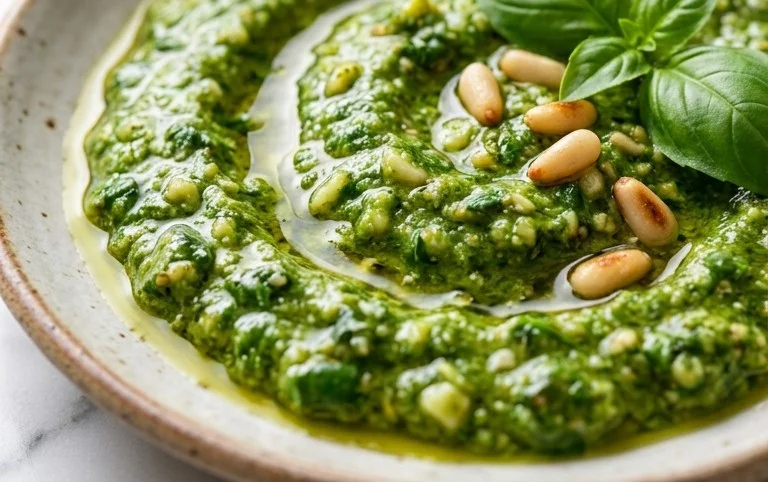
Once you have a good pesto base, it’s time to add the liquids and seasonings. Pour in the freshly squeezed lemon juice. The lemon juice not only adds a bright, zesty flavor that cuts through the richness of the olive oil and nuts but also helps to preserve the vibrant green color of the basil. Next, add the extra virgin extract olive oil. You’ll want to drizzle this in slowly while the processor or blender is running on a low speed, or pulse it in gradually. This emulsifies the pesto, creating a smoother, creamier consistency rather than an oily separation. Finally, add the salt and the nutritional yeast, if you’re using it. Pulse everything together until the pesto is well combined and reaches your desired consistency. Taste and adjust seasonings as needed. If you prefer a thinner pesto, you can add a little more olive oil, a tablespoon at a time, until it’s to your liking. If you want it a bit saltier, add a pinch more salt. If you feel it’s lacking that cheesy depth, a little more nutritional yeast can work wonders.
Achieving the Perfect Consistency
The beauty of homemade pesto is its adaptability. The instructions above will guide you to a wonderfully spreadable and delicious pesto. However, consistency is often a matter of personal preference. If you find your pesto is a bit too thick for your liking, especially if you’re planning to use it as a salad dressing or a thinner sauce, don’t hesitate to add more olive oil. Start with a tablespoon at a time and blend until you achieve the desired fluidity. Conversely, if you’ve added a bit too much oil and it’s running too thin, you can sometimes salvage it by adding a few more nuts or even a little more basil. Remember, the goal is a sauce that coats your pasta beautifully or spreads easily on a crostini. The key is gradual additions and tasting as you go.
Serving and Storing Your Dairy Free Pesto
This dairy-free pesto is incredibly versatile. Toss it with your favorite pasta for a quick and healthy meal, spread it on sandwiches or wraps, use it as a dip for vegetables, dollop it onto grilled chicken or fish, or even swirl it into soups. The possibilities are truly endless! For storage, transfer the pesto to an airtight container. To help preserve its vibrant green color and prevent oxidation, you can pour a thin layer of olive oil over the top of the pesto before sealing the container. This creates a barrier against the air. It will keep well in the refrigerator for about 5-7 days. For longer storage, you can freeze portions of your dairy-free pesto in ice cube trays. Once frozen, pop the pesto cubes out and transfer them to a freezer-safe bag or container. This way, you can easily thaw out small portions whenever the craving strikes. Enjoy the fresh, vibrant flavors of your homemade dairy-free pesto!
Conclusion:
There you have it! Crafting a delicious and vibrant dairy free pesto is surprisingly simple and incredibly rewarding. This recipe is a game-changer for anyone looking to enjoy the classic pesto flavor without the dairy. It’s packed with fresh basil, aromatic garlic, nutty pine nuts (or a budget-friendly alternative!), and a bright citrusy kick from the lemon juice. The absence of cheese doesn’t compromise its flavor; in fact, it allows the other ingredients to truly shine, creating a lighter yet equally satisfying sauce.
I truly encourage you to give this dairy free pesto a try! It’s wonderfully versatile. Serve it tossed with your favorite pasta, spread it on toasted bread for a fantastic appetizer, dollop it onto grilled vegetables, or swirl it into soups for an extra layer of herbaceous goodness. Don’t be afraid to get creative with variations too! Swap pine nuts for walnuts, almonds, or sunflower seeds for a different nutty profile. Add a pinch of red pepper flakes for a touch of heat, or experiment with different herbs like parsley or mint alongside the basil. I’m confident you’ll find it to be a staple in your kitchen!
Frequently Asked Questions:
Q: How long will dairy free pesto last in the refrigerator?
A: Properly stored in an airtight container in the refrigerator, your dairy free pesto should stay fresh for about 5-7 days. It’s best to cover the surface with a thin layer of olive oil to help prevent browning and oxidation.
Q: Can I freeze this dairy free pesto?
A: Absolutely! Freezing is a great way to enjoy this pesto even longer. You can freeze it in small portions, like in an ice cube tray, and then transfer the frozen cubes to a freezer bag. This makes it easy to thaw out just the amount you need.
Q: What are some nut-free alternatives to pine nuts?
A: If you have a nut allergy or simply want to change things up, sunflower seeds are an excellent and affordable nut-free alternative. Toasted pumpkin seeds or even hemp seeds can also work wonderfully to provide that nutty texture and flavor.
Dairy Free Pesto
A vibrant and flavorful dairy-free pesto made with fresh basil, pine nuts, garlic, and lemon. Perfect for pasta, sandwiches, and dips.
Ingredients
-
3 cups basil
-
1/2 lemon (juiced)
-
1/2 cup pine nuts
-
2 cloves garlic
-
1/4 cup olive oil
-
1/2 tsp salt
-
2 tbsp nutritional yeast
Instructions
-
Step 1
Toast the pine nuts in a dry skillet over medium heat until fragrant and lightly browned. Let cool. -
Step 2
In a food processor, combine the basil leaves, toasted pine nuts, garlic cloves, and salt. -
Step 3
Pulse until the ingredients are coarsely chopped. -
Step 4
With the food processor running, slowly drizzle in the olive oil until the pesto is smooth and well combined. -
Step 5
Add the lemon juice and nutritional yeast, and pulse a few more times to incorporate. -
Step 6
Taste and adjust seasoning as needed. If the pesto is too thick, add a little more olive oil or lemon juice.
Important Information
Nutrition Facts (Per Serving)
It is important to consider this information as approximate and not to use it as definitive health advice.
Allergy Information
Please check ingredients for potential allergens and consult a health professional if in doubt.