Simple Lemon Vinaigrette Dressing – Easy Recipe
Basic Lemon Vinaigrette Dressing is the unsung hero of countless delicious meals. Forget those expensive, artificial store-bought options that taste more like chemicals than citrus. This is the one. The absolute go-to that elevates everything from a simple side salad to a hearty grain bowl. Why do we all adore this versatile concoction? It’s the perfect balance of bright, zesty lemon and rich, smooth olive oil, creating a flavor profile that’s both refreshing and deeply satisfying. What truly makes this basic lemon vinaigrette dressing special is its incredible adaptability. It’s the foundation upon which endless flavor variations can be built, a testament to the power of simple, quality ingredients coming together in perfect harmony. Ready to transform your salads and so much more?
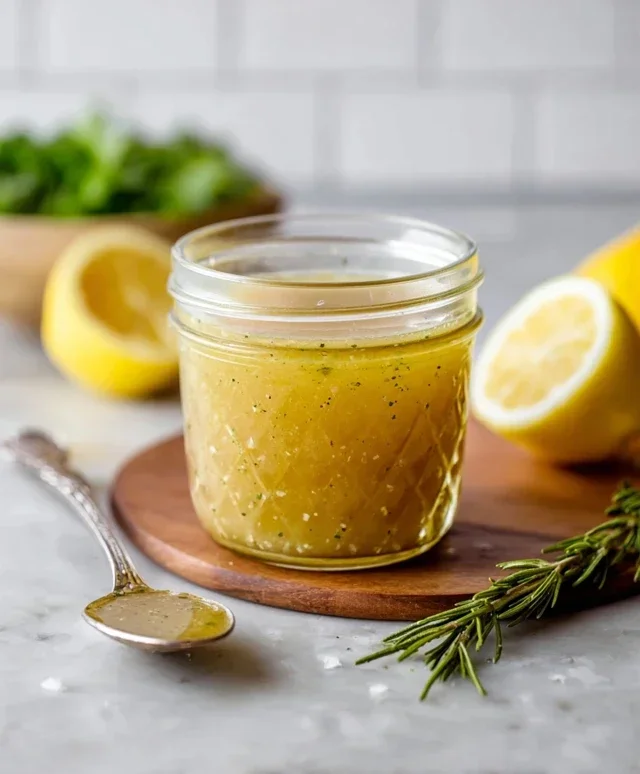
Basic Lemon Vinaigrette Dressing
Welcome to the world of homemade dressings! If you’ve ever bought bottled salad dressing, you might be surprised to learn just how simple and incredibly delicious it is to make your own. Today, we’re diving into the quintessential classic: a basic lemon vinaigrette. This isn’t just any vinaigrette; it’s a bright, zesty, and incredibly versatile dressing that will elevate your salads from ordinary to extraordinary. Forget those long lists of unpronounceable ingredients. This recipe uses a handful of fresh, wholesome components that come together in minutes to create a vibrant flavor explosion.
The beauty of a homemade vinaigrette lies in its freshness. You control the quality of the ingredients, the balance of flavors, and the absence of artificial preservatives. This lemon vinaigrette is a perfect starting point for anyone looking to ditch the store-bought stuff. It’s a fantastic foundation that you can easily customize to suit your taste preferences and whatever ingredients you have on hand. Whether you’re dressing a simple green salad, a hearty grain bowl, or even marinating chicken or fish, this vinaigrette is your new best friend in the kitchen. Let’s get started!
Ingredients:
Instructions:
Step 1: Gather Your Base Liquids and Acidity
The first step to creating our delightful lemon vinaigrette is to bring together the liquids that will form its foundational structure. In a medium-sized bowl, or a jar with a tight-fitting lid (which is my preferred method for easy shaking and storage!), combine the apple cider vinegar and the fresh lemon juice. Apple cider vinegar provides a robust tang, while the fresh lemon juice brings a bright, citrusy lift that is the hallmark of this dressing. The combination is crucial for that perfect balance of acidity. We’ll then add the two tablespoons of water. This might seem counterintuitive when you’re aiming for flavor, but the water serves an important purpose. It helps to slightly mellow the intense acidity of the vinegars and lemon juice, ensuring a more rounded and less harsh flavor profile, making it more pleasant to the palate and less likely to “bite” too hard on your greens. This initial blend of acidic liquids is where the magic begin extracts to unfold.
Step 2: Introduce the Emulsifier and Sweetener
Next, we’ll incorporate the ingredients that will help bind everything together and balance the tartness. Add the tablespoon of Dijon mustard to the bowl or jar. Dijon mustard is a fantastic emulsifier, meaning it helps to combine liquids that don’t naturally mix, like oil and vinegar. It also contributes a subtle peppery warmth and a delightful savory depth that complements the acidity beautifully. Following that, it’s time to add your chosen sweetener. I’ve listed honey or maple syrup, both of which add a lovely natural sweetness. If you prefer to avoid sugar altogether, you can absolutely use a few drops of stevia, adjusting to your personal taste. The sweetness is essential for counteracting the sharpness of the vinegar and lemon, creating a harmonious flavor. Start with the recommended amount and you can always add a touch more later if you find it needs it.
Step 3: Infuse with Aromatics and Seasoning
Now, let’s awaken the senses with aromatic elements and essential seasonings. Add the teaspoon of dried oregano. If you have fresh oregano, by all means, use about a tablespoon of the chopped fresh leaves for an even more vibrant and authentic herbal note. Oregano brings a classic Mediterranean flair that works wonders in dressings. Then, introduce the finely minced clove of garlic. I always recommend mincing the garlic as finely as possible, or even grating it on a microplane, to ensure its flavor is evenly distributed throughout the dressing and doesn’t leave harsh raw garlic chunks. Finally, we’ll add the sea salt and black pepper. These simple seasonings are critical for enhancing all the other flavors. Don’t be tempted to skip them! The salt will make the lemon and vinegar pop, and the pepper adds a subtle heat and complexity.
Step 4: The Crucial Emulsification with Olive Oil
This is perhaps the most exciting part of making any vinaigrette: the emulsification. Slowly drizzle in the olive oil – the ½ cup plus 2 tablespoons. If you’re using a bowl, whisk vigorously and continuously as you pour the oil in a thin, steady stream. This slow addition and constant whisking is key to creating a stable emulsion. The tiny droplets of oil are suspended within the vinegar and lemon mixture, creating a creamy, cohesive dressing rather than a separated mess. If you’re using a jar, simply put the lid on tightly and shake, shake, shake! You’ll see the mixture transform from a watery, separated state into a beautifully emulsified, slightly thickened dressing. Keep shaking for a good minute or two to ensure everything is well combined. The olive oil, of course, provides the richness and body of the dressing, while its mild flavor allows the lemon and vinegar to shine.
Step 5: Taste, Adjust, and Serve!
Once everything is beautifully emulsified, it’s time for the most important step: tasting! Dip a clean spoon into the dressing and take a sip. Does it have enough tang? Is it sweet enough? Do you want more herbal notes? This is your chance to customize it perfectly to your liking. If it’s too tart, add another tiny drizzle of honey or a pinch of stevia. If it needs more zing, a splash more lemon juice or vinegar will do the trick. If you want more of that herbal essence, a little more oregano or a tiny pinch of dried thyme could be lovely. Remember that the flavors will also meld and develop as the dressing sits, so it’s often best to err on the side of slightly less seasoning initially and adjust upwards. Once you’re happy with the flavor, you can use it immediately. For best results, let it sit for at least 15-30 minutes in the refrigerator to allow the flavors to marry beautifully. This Basic Lemon Vinaigrette is fantastic on green salads, pasta salads, as a marinade for chicken or fish, or even drizzled over roasted vegetables. Store any leftovers in an airtight container in the refrigerator for up to a week. Give it a good shake or whisk before each use, as it may naturally separate over time. Enjoy the vibrant, fresh taste you’ve created!
Conclusion:
So there you have it – a truly basic, yet incredibly versatile, lemon vinaigrette dressing! What makes this recipe so fantastic is its simplicity and the bright, fresh flavor it brings to so many dishes. It’s incredibly quick to whip up, requiring just a few pantry staples, and the outcome is a vibrant dressing that elevates everything from a simple green salad to roasted vegetables. It’s a far cry from store-bought options, offering a healthier and more customizable choice.
I love using this lemon vinaigrette on a crisp romaine salad, drizzled over grilled chicken or fish, or even as a marinade for vegetables before roasting. The possibilities are truly endless!
Feel free to experiment with this base recipe. You can add a touch of Dijon mustard for a little tang, a pinch of honey or maple syrup for a hint of sweetness, or even finely minced garlic or herbs like parsley or chives for added complexity. Don’t be afraid to adjust the lemon and oil ratio to your preference – a little more lemon for a zestier kick, or a bit more oil for a smoother finish.
I genuinely encourage you to give this basic lemon vinaigrette dressing a try. It’s a foundational recipe that will become a staple in your kitchen, promising delicious results every time.
Frequently Asked Questions:
How long does this lemon vinaigrette last?
Stored in an airtight container in the refrigerator, this basic lemon vinaigrette will typically last for about 1 to 2 weeks. The olive oil can solidify slightly when cold, but just let it sit at room temperature for a few minutes and give it a good shake before using.
Can I use different types of oil?
Absolutely! While extra virgin extract olive oil is classic, you can experiment with other neutral oils like avocado oil or grapeseed oil. For a richer flavor, you could even try a high-quality extra virgin extract olive oil with a fruitier note.
What if I don’t have fresh lemons?
While fresh lemon juice offers the best flavor, you can use bottled lemon juice in a pinch. Be aware that the flavor might be slightly less vibrant. Start with a smaller amount and taste as you go, as bottled juices can vary in intensity.
Basic Lemon Vinaigrette Dressing
A simple and versatile lemon vinaigrette, perfect for salads.
Ingredients
-
1/4 cup apple cider vinegar
-
2 tablespoons fresh lemon juice
-
2 tablespoons water
-
1 tablespoon dijon mustard
-
2 teaspoons honey
-
1 teaspoon dried oregano
-
1 clove garlic, minced
-
1/2 teaspoon sea salt
-
1/4 teaspoon black pepper
-
3/4 cup olive oil
Instructions
-
Step 1
In a small bowl, whisk together the apple cider vinegar, fresh lemon juice, water, dijon mustard, honey, dried oregano, minced garlic, sea salt, and black pepper. -
Step 2
Slowly drizzle in the olive oil while continuously whisking. -
Step 3
Continue whisking until the dressing is emulsified and well combined. -
Step 4
Taste and adjust seasoning if necessary. -
Step 5
Pour over your favorite salad or use as a marinade.
Important Information
Nutrition Facts (Per Serving)
It is important to consider this information as approximate and not to use it as definitive health advice.
Allergy Information
Please check ingredients for potential allergens and consult a health professional if in doubt.