Jamie Oliver Self Saucing Lemon Pudding Recipe
Jamie Oliver’s self saucing lemon pudding is more than just a dessert; it’s a little bit of culinary magic. There’s something incredibly satisfying about a dessert that does the hard work for you, creating its own luscious, gooey sauce as it bakes. This iconic dish from Jamie Oliver has captured hearts for decades, and it’s easy to see why. It offers that perfect balance of sweet and tart, a comforting warmth with a delightful citrus zing that just sings. What truly sets this Jamie Oliver self saucing lemon pudding apart is its almost effortless elegance. You can whip it up with pantry staples, yet it delivers a restaurant-worthy result every single time, making it a firm favourite for cosy nights in or impressing guests without the stress.
Jamie Oliver Self-Saucing Lemon Pudding
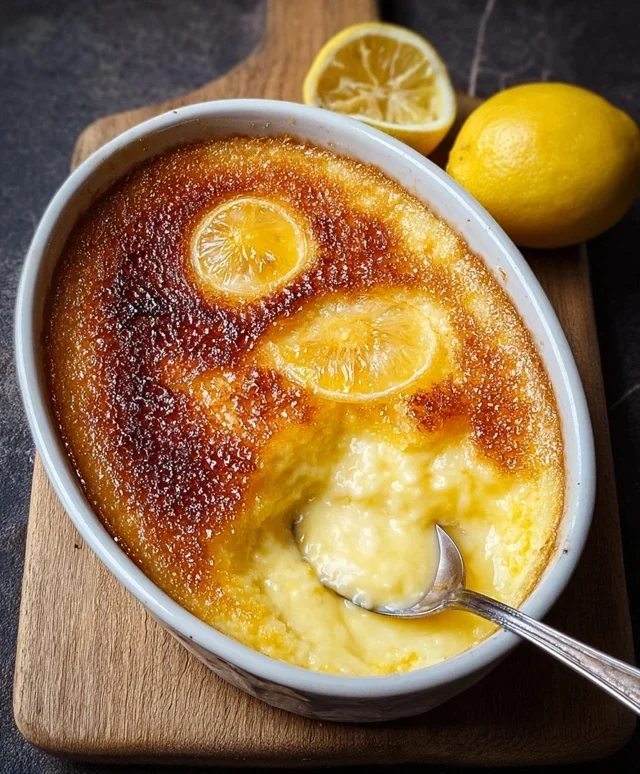
There’s something incredibly comforting and utterly delicious about a self-saucing pudding. It’s that magical moment when you spoon into a warm, spongy cake, only to discover a glorious pool of sweet, tangy sauce that has magically formed underneath. And when that pudding is lemon, well, it’s pure sunshine in a bowl. Jamie Oliver’s Self-Saucing Lemon Pudding is a recipe that consistently delivers on both flavour and that delightful self-saucing magic. It’s surprisingly simple to make, perfect for a weekend treat or a comforting dessert after a hearty meal. The bright, zesty lemon flavour cuts through the sweetness beautifully, making it a refreshing yet indulgent choice. Let’s get baking this little gem!
Ingredients:
Getting Started: Preparing Your Pudding
The first step to any great bake is to get your ingredients ready and your oven preheated. Preheat your oven to 180°C (160°C fan/350°F/Gas Mark 4). Now, grab your pudding dish or a medium-sized ovenproof dish – something around 1.5 litre capacity should be perfect. Generously grease the inside of your dish with a little extra butter. This is crucial to ensure your pudding doesn’t stick and slides out beautifully, or at least allows you to scoop it out cleanly.
Making the Pudding Batter
In a mixing bowl, cream together the 55g of softened butter and the 115g of sugar. You can use an electric mixer for this, or a wooden spoon and a bit of elbow grease. You’re looking for a pnon-alcoholic ale and fluffy mixture. This process incorporates air into the batter, which helps with the pudding’s lightness. Next, finely grate the zest of your lemon into the bowl. Make sure you’re only grating the yellow part, as the white pith can be bitter. Add the two large free-range eggs to the creamed butter and sugar. Beat them in one at a time, mixing well after each addition. Don’t worry if the mixture looks a little curdled at this stage; it will come together. Now, it’s time for the dry ingredients. Sieve in the 55g of self-raising flour. Gently fold this into the wet ingredients. Overmixing at this stage can develop the gluten in the flour, making your pudding tough, so be gentle. Finally, stir in the juice of your lemon, which should be about 3 tablespoons. The batter will be quite thick at this point.
Preparing the Magical Sauce
This is where the self-saucing magic happens. In a separate jug or bowl, whisk together the 285ml of milk and the remaining 1/4 cup (which is about 55g) of sugar. You can also add a little extra lemon zest here if you like an even more intense lemon flavour in your sauce, but it’s optional. Ensure the sugar is dissolved as much as possible in the milk.
Assembling and Baking Your Pudding
Pour your thick lemon batter into the prepared, greased pudding dish. Spread it out evenly with a spoon. Now, here’s the clever bit. Gently and slowly pour the milk and sugar mixture evenly over the top of the batter. Don’t stir it in! You’ll notice the batter will rise up as you pour the liquid over it. Place the dish into your preheated oven. Bake for approximately 30-40 minutes. You’re looking for the pudding to be golden brown on top and set, but still have a slight wobble. The real test is to gently tap the top – it should feel firm. As it bakes, the liquid will sink to the bottom and create that wonderful, luscious sauce.
Serving Your Delectable Creation
Once your pudding is baked, carefully remove it from the oven. Let it stand for a few minutes before serving. This allows the sauce to settle a little further. Spoon generous portions into bowls, making sure to get plenty of that gorgeous lemon sauce with each serving. It’s absolutely divine served warm with a dollop of double cream, a scoop of vanilla ice cream, or even a spoonful of Greek yogurt for a slightly lighter option. The combination of the warm, fluffy cake and the zesty, sweet sauce is simply irresistible. Enjoy this delightful taste of sunshine!
Conclusion:
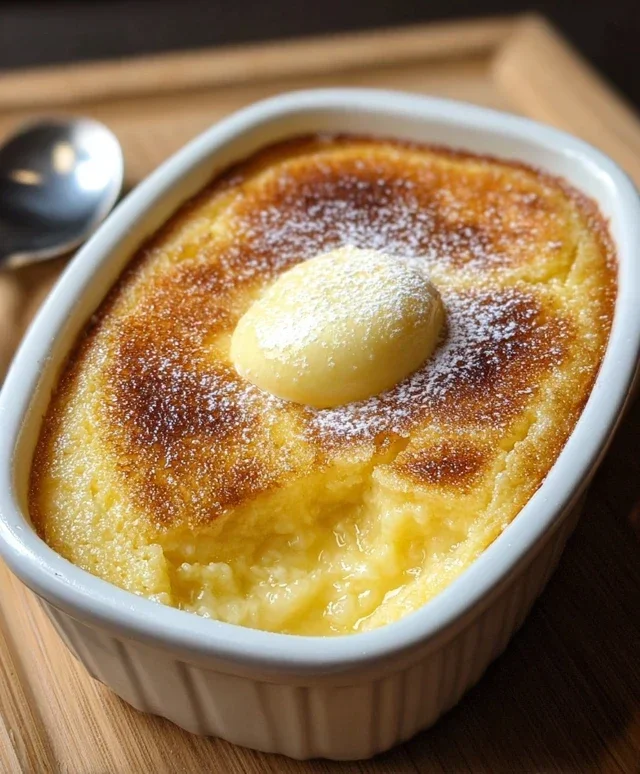
There you have it! Jamie Oliver’s Self Saucing Lemon Pudding is an absolute triumph of comfort and flavour, and I can’t recommend it enough. Its magic lies in its simplicity and the delightful surprise of that gorgeous, gooey sauce that forms beneath the cake layer. It’s the perfect way to end a meal, offering a bright, zesty, and deeply satisfying dessert experience that’s surprisingly achievable for even novice bakers. The combination of tender sponge and tangy lemon sauce is simply divine, making it a true crowd-pleaser.
For serving, I find a dollop of thick cream or a scoop of good quality vanilla ice cream is its perfect partner, but honestly, it’s so good, it stands beautifully on its own. If you’re feeling adventurous, consider adding a scattering of toasted flaked almonds on top for a little crunch, or a tablespoon of limoncello to the sauce for an extra grown-up kick. Don’t be intimidated by the “self-saucing” aspect; the method is straightforward and the results are consistently spectacular. So, gather your ingredients and give this incredible Jamie Oliver Self Saucing Lemon Pudding a go – I promise you won’t regret it!
Frequently Asked Questions:
What makes this pudding “self-saucing”?
The magic happens in the oven! When the pudding bakes, the sauce mixture at the bottom caramelizes and forms a luscious, syrupy layer, while the batter bakes into a light, fluffy sponge on top. It’s a wonderful culinary trick that creates two delicious textures from one simple batter.
Can I make this pudding ahead of time?
While it’s best served warm and fresh from the oven to fully appreciate the sauce, you can prepare the batter a few hours in advance and keep it covered in the refrigerator. You might need to adjust the baking time slightly if it’s chilled. Reheating leftovers can sometimes make the sauce a little less distinct, but it will still be delicious!
What kind of lemons are best to use?
For the most vibrant flavour, I recommend using fresh, unwaxed lemons. The zest provides the most intense lemon aroma and flavour, so don’t skip that step! Meyer lemons are also fantastic if you can find them, as they have a slightly sweeter and more floral profile.
Jamie Oliver Self-Saucing Lemon Pudding
A delightful self-saucing lemon pudding with a moist cake and a tangy lemon sauce that forms beneath it as it bakes.
Ingredients
-
55 g butter, plus extra for greasing
-
115 g sugar
-
1 lemon, zest and juice (about 3 tablespoons juice)
-
2 large free-range eggs
-
55 g self-raising flour
-
285 ml milk
Instructions
-
Step 1
Preheat your oven to 180°C (160°C fan/gas mark 4). Grease a medium ovenproof dish with butter. -
Step 2
For the pudding topping, cream together the butter and sugar in a bowl until pale and fluffy. Beat in the eggs one at a time, adding a tablespoon of flour with the second egg to prevent curdling. Fold in the remaining flour and the lemon zest. -
Step 3
Spoon the pudding topping mixture into the prepared ovenproof dish. -
Step 4
For the sauce, whisk together the milk, lemon juice, and remaining sugar in a jug. -
Step 5
Gently pour the sauce mixture over the back of a spoon onto the pudding topping in the dish. Be careful not to disturb the topping too much. -
Step 6
Bake for 30 minutes, or until the pudding is golden brown and has risen. The sauce will have formed underneath. -
Step 7
Serve immediately, spooning the pudding and sauce into bowls.
Important Information
Nutrition Facts (Per Serving)
It is important to consider this information as approximate and not to use it as definitive health advice.
Allergy Information
Please check ingredients for potential allergens and consult a health professional if in doubt.