Gyeran Mari – Easy Korean Rolled Omelette Recipe
Gyeran Mari, the beloved Korean rolled omelette, is a delightful culinary cbeef hameleon that graces tables across Korea and beyond. Whether you’re seeking a simple yet satisfying breakfast, a vibrant addition to a bento box, or an elegant appetizer, this dish consistently delivers. What is it about this seemingly humble omelette that captures so many hearts? It’s the magic of transformation: simple eggs, whisked to airy perfection, infused with your favorite finely chopped vegetables like vibrant bell peppers, sweet carrots, or pungent scallions, and then meticulously rolled into a beautiful, golden cylinder. The beauty of Gyeran Mari lies not only in its charming presentation, often sliced into bite-sized pinwheels, but also in its incredible versatility and comforting nature. It’s a dish that feels both wholesome and special, making it a go-to for home cooks and a welcome sight on any Korean restaurant menu.
Gyeran Mari (Korean Rolled Omelette)
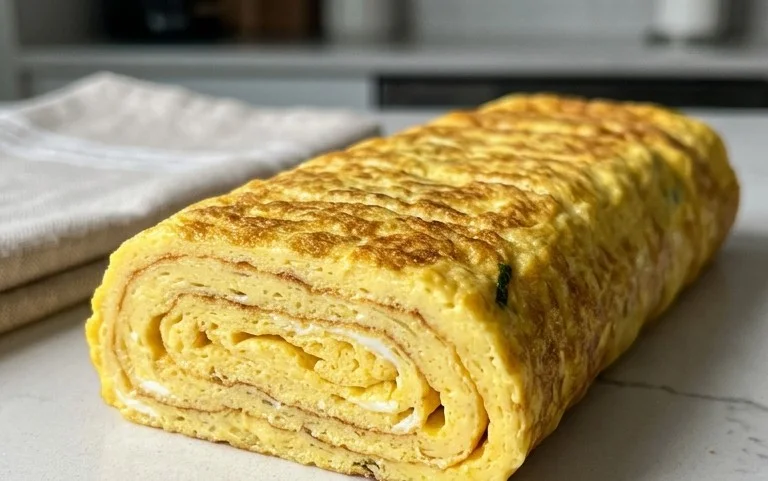
Gyeran mari, often translated as Korean rolled omelette, is a deceptively simple yet incredibly satisfying dish. It’s a staple in Korean cuisine, appearing in bento boxes, as a side dish (banchan), or even as a light meal on its own. The beauty of gyeran mari lies in its versatility and the delightful surprise of its layered texture. Imagin extracte a fluffy, savory omelette that’s carefully rolled, creating beautiful concentric circles when sliced. It’s a dish that’s both comforting and visually appealing, and I’m excited to share how easy it is to make this classic Korean delight in your own kitchen.
The key to a perfect gyeran mari is patience and a gentle hand. Don’t be intimidated by the rolling process; it’s more about technique than brute force. With a little practice, you’ll be creating these beautiful rolls like a pro. I love adding finely chopped vegetables for a pop of color and a subtle crunch, but you can customize it to your liking. This recipe is a fantastic starting point, and I encourage you to experiment with other finely diced ingredients like bell peppers, chives, or even a touch of kimchi.
Ingredients:
Cooking Instructions
This recipe is designed for a standard non-stick frying pan, about 8-10 inches in diameter. A square-shaped pan is traditional and can make the rolling process a bit easier, but a round pan works perfectly fine. The goal is to create thin layers of egg that cook quickly and can be rolled without breaking.
Preparation is Key
1. Begin extract by preparing your vegetables. Finely chop the green onion and the carrot. If you’re grating the carrot, make sure to use the smallest holes on your grater for a uniform consistency that blends well with the egg. The smaller the pieces, the easier it will be to achieve a smooth roll and prevent any large chunks from tearing the omelette. In a medium bowl, crack all 5 medium eggs. Add the chopped green onion and carrot to the bowl. Season the mixture with 1/4 teaspoon of salt and 1/8 teaspoon of black or white pepper. Whisk everything together thoroughly until the egg yolks and whites are completely combined and the vegetables are evenly distributed. You want a homogeneous mixture, ensuring that each bite of your gyeran mari has a balanced flavor and texture. Avoid over-whisking, which can incorporate too much air and make the omelette difficult to roll.
The Rolling Technique
2. Heat your non-stick frying pan over medium-low heat. It’s crucial to cook this at a lower temperature to ensure the egg cooks through gently without burning, allowing for easy manipulation. Add the 1 teaspoon of neutral oil to the pan and swirl it around to coat the bottom evenly. Once the pan is lightly oiled and warmed, pour about one-third of the egg mixture into the pan. Gently tilt the pan to spread the egg into a thin, even layer that covers the entire bottom surface. You’re aiming for a layer that’s thin enough to cook quickly and be rolled, but not so thin that it will tear. This first layer is your base for the roll.
3. Allow the first layer of egg to cook until the surface is mostly set but still slightly wet and shiny. This usually takes about 1 to 2 minutes. Using a spatula, carefully start to roll the cooked egg from one side of the pan towards the center. Don’t worry if it’s not a perfect roll; this initial roll forms the core of your gyeran mari. Once you’ve rolled about halfway, gently push the rolled portion to the far side of the pan, away from you.
4. Now, pour another third of the egg mixture into the empty space in the pan, making sure to lift the rolled portion slightly so that the new egg mixture can flow underneath and connect with it. Allow this second layer to cook until it’s mostly set, similar to the first layer. Once it’s ready, carefully roll the existing roll, along with the newly cooked egg, towards the center of the pan. Continue to push the increasingly larger roll to the far side of the pan. This layering and rolling technique is what builds up the thickness and the beautiful concentric circles of your gyeran mari.
5. Repeat the process with the remaining egg mixture. Pour the last portion of the egg into the pan, again ensuring it flows under the existing roll. Cook until set, and then gently roll the entire omelette to enclose all the layers. Once the entire omelette is rolled, gently press down on all sides with your spatula to ensure it’s compact and holds its shape. Cook for another minute or two on each side, or until the omelette is golden brown and cooked through. This final step helps to seal the roll and give it a pleasant texture.
Finishing Touches
6. Once your gyeran mari is fully cooked and has a beautiful golden hue, carefully slide it out of the pan onto a cutting board. Let it rest for a minute or two. This brief resting period allows the steam to dissnon-alcoholic ipate and the omelette to firm up, making it much easier to slice cleanly without it falling apart. Using a sharp knife, slice the rolled omelette into ½ to ¾ inch thick pieces. You’ll see the beautiful spiral pattern emerge with each slice. Serve immediately as a delightful banchan or as a star ingredient in your lunchbox. Enjoy the tender, savory goodness of your homemade Gyeran Mari!

Conclusion:
And there you have it – your guide to mastering Gyeran Mari, the delightful Korean Rolled Omelette! I hope you’ve enjoyed learning how to create this simple yet incredibly versatile dish. It’s a fantastic recipe because it’s quick to make, uses pantry staples, and offers endless possibilities for customization. Whether you’re looking for a quick breakfast, a light lunch, or an impressive side dish for a Korean feast, Gyeran Mari fits the bill perfectly. Its beautiful presentation and satisfying texture make it a crowd-pleaser, and it’s surprisingly forgiving for begin extractners.
I encourage you to give this Gyeran Mari recipe a try. Don’t be intimidated by the rolling process; with a little practice, you’ll be creating perfect spirals in no time! Feel free to experiment with the fillings – cooked vegetables like finely chopped carrots, spinach, or scallions are classic choices, but even a sprinkle of cheese or a dash of kimchi can elevate your rolled omelette. Serve it sliced with a side of soy sauce for dipping, alongside rice and other banchan, or even as a standalone snack. You won’t be disappointed!
Frequently Asked Questions about Gyeran Mari:
What is the best pan to use for Gyeran Mari?
A rectangular non-stick pan, often called an omelette pan or a tamagoyaki pan, is ideal for making Gyeran Mari. Its shape makes rolling much easier and helps create those signature neat layers. However, a regular non-stick round frying pan can also work; you’ll just need to be a bit more careful when rolling.
Can I make Gyeran Mari ahead of time?
Yes, you can! Gyeran Mari is best enjoyed fresh, but it can be made a few hours in advance and stored at room temperature, covered loosely. For longer storage, let it cool completely and refrigerate. Gently reheat it in a dry skillet or microwave before serving. The texture might change slightly, but it will still be delicious.
My rolled omelette is falling apart. What am I doing wrong?
This is a common issue when you’re first learning! Ensure your heat is on medium-low; too high heat can cook the egg too quickly, making it difficult to roll. Also, make sure you’re adding thin layers of egg and allowing each layer to set slightly before adding the next and begin extractning the roll. Don’t overcrowd the pan with too much egg mixture at once. Patience is key!
Gyeran Mari (Korean Rolled Omelette)
A simple and delicious Korean rolled omelette, perfect for breakfast, banchan (side dish), or as a light meal. Infused with fresh vegetables and seasoned to perfection.
Ingredients
-
5 medium eggs
-
1 green onion (chopped)
-
2 tbsp carrot (chopped or grated)
-
1/4 tsp salt
-
1/8 tsp black or white pepper
-
1 tsp neutral oil
Instructions
-
Step 1
In a medium bowl, whisk the eggs until well combined. -
Step 2
Add the chopped green onion, chopped carrot, salt, and pepper to the whisked eggs. Stir gently to combine. -
Step 3
Heat the neutral oil in a non-stick frying pan over medium-low heat. -
Step 4
Pour about one-third of the egg mixture into the pan, creating a thin layer. Cook until the bottom is set but the top is still slightly wet. -
Step 5
Starting from one side, carefully roll the cooked egg into a log. Push the log to the edge of the pan. -
Step 6
Pour another third of the egg mixture into the pan, ensuring it flows underneath the existing roll. Cook until the bottom is set. -
Step 7
Roll the egg mixture around the existing log. Repeat with the remaining egg mixture, rolling each addition around the growing omelette. -
Step 8
Once fully rolled, gently cook the omelette on all sides until golden brown and cooked through. -
Step 9
Remove from the pan and let it cool slightly before slicing into bite-sized pieces.
Important Information
Nutrition Facts (Per Serving)
It is important to consider this information as approximate and not to use it as definitive health advice.
Allergy Information
Please check ingredients for potential allergens and consult a health professional if in doubt.